Spring break starts Monday March 23rd
Classes resume Monday March 30th
Have a Great Spring Break!

At UWest, we believe in educating the whole person. We were founded in 1991 as an alternative to the conventional university experience, integrating liberal arts traditions with a global perspective and drawing from Buddhist wisdom to create a community of collaboration and cooperation. Our graduates meet the challenges of an increasingly complex and globally interdependent world with creativity and compassion.
We are a community committed to learning with, from, and on behalf of others. UWest students seize the opportunity to realize their purpose and develop their personal values while following a personalized path to academic success. We think your education should be as unique as you.
We recommend that you access Moodle using Firefox or Google Chrome. Be sure to upgrade your browser to the latest version. Users running other browsers may encounter some technical issues when navigating Moodle.


This course examines aspects of suffering, social engagement, spiritual maturity and leading from within, through a developed meditation practice, ritualized life, awareness of conditioning, perspective taking, and spiritual bypass as seen in traditional and contemporary texts.


This course builds on SL501, 502, & 503. Through service-learning projects, reflections, research, check-ins, and class-based discussion groups, students will practice their chaplain skills in real-world settings, allowing them to build character, increase compassion for themselves & others, explore their growth edges, learn collaboration skills to negotiate challenges, increase their understanding of social equity issues, and develop their spiritual leadership skills as they support the needs of their chosen community and practice self-care skills to reduce burnout.

This course focuses on development of the dissertation proposal. Topics include selection of a topic, development of an original argument, situating the topic in relation to existing scholarship, and Buddhist-inspired strategies for writing and completing project.


This course explores the basic theories of dislocation and cultural identity, analyzing human phenomena of poverty and stigma, embedded in human psyche through painful experience such as war, colonization, and natural disasters in the global and local context. Also in this self-implicated study, students examine and deepen self knowledge on their own cultural identity (ies), values, and biases as it relates to the therapeutic process and their role as an MFT.

This course will focus on the professional organizations (especially AAMFT and CAMFT) that have evolved to oversee the field of counseling. In particular, we will review the ethical codes put forth by these organizations, and the California laws and regulations relevant to counselors. Ethical decision-making skills using these standards, as guidelines are applied, and professional counseling identities are developed. Students will also be introduced to the evolution of the field of counseling and the roles and functions counselors play.
Classroom: ED307
This course introduces the Buddhist teachings on aging, illness, and death. It also explores the practices of loving-kindness, compassion, appreciative joy, and equanimity along with gratitude for self-care as well as counseling clients who experience grief and losses.

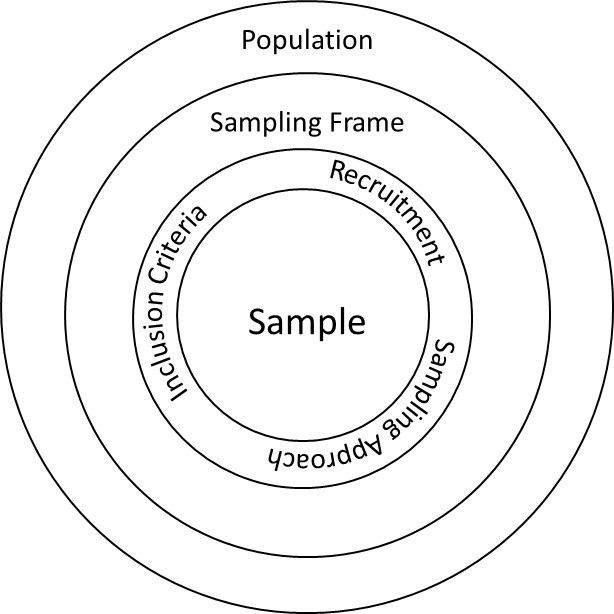
Introduces the manner in which research studies are created through quasi-experimental and experimental designs, ways in which research data is analyzed, and the implications of data interpretation, while applying the key lenses of ethics and culture.

Reviews relevant philosophies; discusses ethics from different religious perspectives, particularly humanistic Buddhism, & emphasizes how such philosophy & ethics can be effectively used in modern organizations & management.
Why This is Important?
How can you be an ethical corporate citizen in an increasingly complex, multiple-stakeholder world?
This is the most pressing question facing businesses today, small and large, local and global. Business Ethics is a thorough yet accessible exploration of the main ethical theories and how these apply to the major stakeholders facing this question.
Application of scientific methods, techniques, and tools to provide optimum solutions to problems involving the operation of systems. Focuses on analysis and solution of managerial decision-making problems. Major topics include data visualization, descriptive data mining, statistical inference, linear regression, and time series analysis.
Course Objectives
· Able to Describe the challenges of big data and its relevance in business
· Able to apply basic data analytics tools to various areas in business
· Able to apply big data on regression and optimization models
Introduces the environment and tools of international financial management, covering financial, tax, economic, political, and legal issues that an international financial manager faces. Also covers foreign exchange rates, risk assessment, balance of payment, and financial alternatives and tradeoffs.
Course Objectives:
Able to describe different types of int’l financial markets and its functions and roles;
Able to explain how the hedge and arbitrage can be used to diversify the risk and make profits;
Able to explain how to manage the currency risks.


This seminar examines the politics and ethics of knowledge through the lenses of narrative, attention, and authority. Humans make meaning through stories, beliefs, and evidence. How do those narratives shape individuals, communities, and public life? We examine how knowledge claims are constructed, evaluated, and lived, bridging religion, science, history, media, and technology. This course is discussion-intensive, practice-oriented, and project-based. You will engage with readings, films, experiential practices, and media artifacts to build habits of care with attention, interpretation, and public expression. This is not a course about easy answers but about better questions.

Preparation for college-level reading. Focus includes critical & analytical reading skills for academic texts, information literacy skills for college writing, & academic vocabulary.


Our world is constructed through communication-- it's worth taking a deeper look into how language works. We’ll tackle asking important questions like “how did language originate?” “How does language change over time?” “How does speech occur?” “How do humans learn languages?” and many others. This course provides foundational knowledge, approaching the study of language from a variety of sub-fields including language acquisition, sociolinguistics, phonetics/phonology, pragmatics and semantics, morphology and syntax, discourse analysis, and philosophy / politics. Each section of the course will provide insight into what language is, and different ways in which to examine it.

Introduces fundamentals of algebra with emphasis on quantitative thinking. Reasoning quantitatively using tables & graphs, & application of linear functions, quadratic functions & linear systems to problems is emphasized.


This course will explore the historical views and current perspectives of abnormal behavior, including categorical versus dimensional perspectives. Major diagnostic categories and criteria, individual and social factors of maladaptive behavior, and types of therapy are reviewed. Additionally, various methods of clinical assessment and research strategies are covered. Special attention is paid to the impact of culture on abnormality.

This course provides students with knowledge of the theoretical bases from which to conduct group psychotherapy and the experience to formulate goals, objectives and plans for a psychotherapy group. Students will demonstrate an ability to perceive and describe group dynamics; develop an understanding of the practical issues and problems related to beginning, conducting, and evaluating the group process; demonstrate an ethical foundation and awareness of professional issues; and demonstrate an awareness of self as a group leader

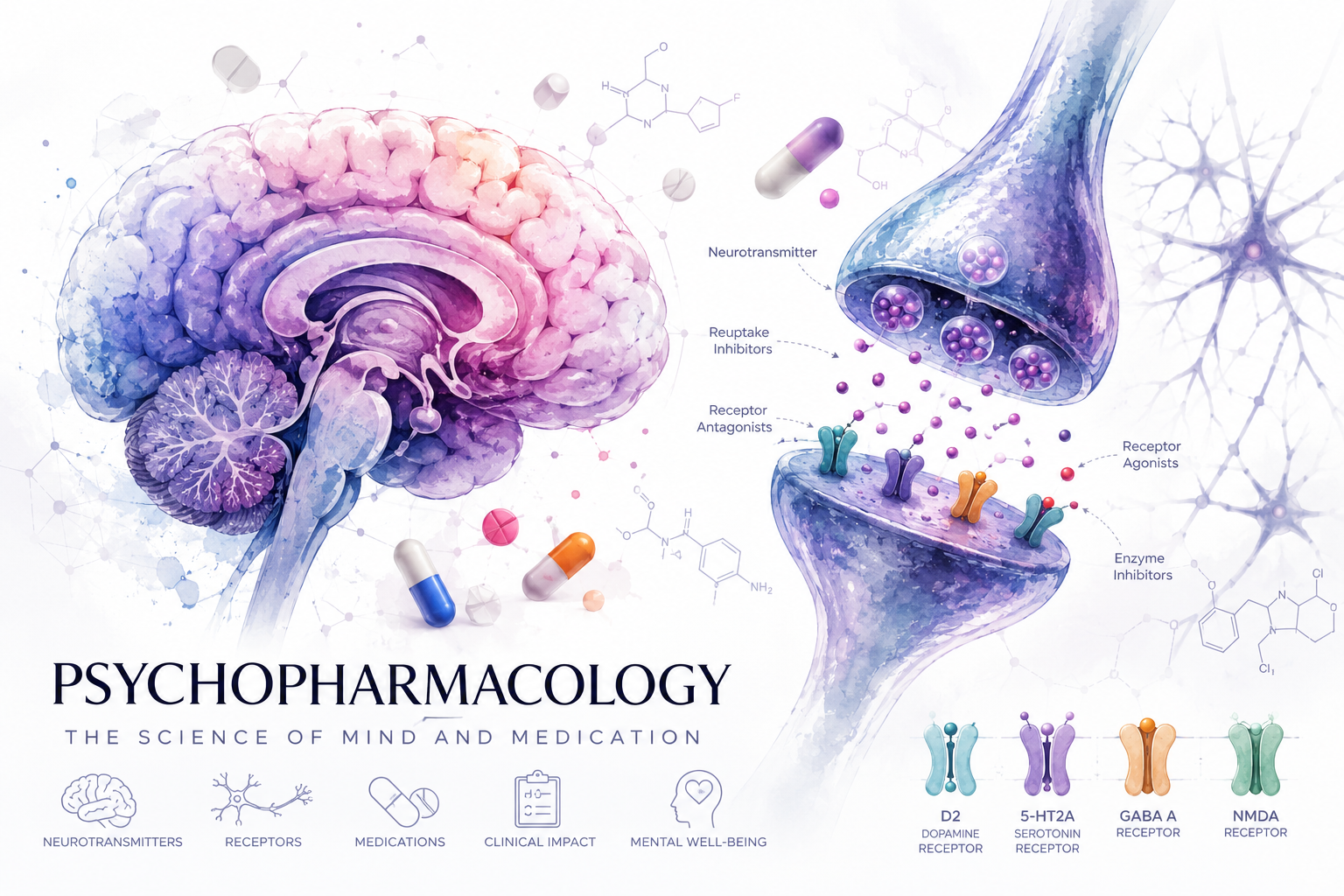
Examines the theories, etiology, assessment, diagnosis, and treatment of alcohol and substance use disorders and addiction through the lenses of resiliency, recovery, medical, and Buddhist psychology models, with special attention to co-occurring disorders.


Use and interpretation of financial statements; evaluation of accounting information systems; accounting for and analysis of costs; managerial use of accounting data for planning and decision making.

Background Colour
Font Face
Font Kerning
Font Size
Image Visibility
Letter Spacing
Line Height
Link Highlight
Text Colour